
Queensland's pipeline: building market confidence
Australia’s transport infrastructure sector is entering a period of transition. As major programmes in Victoria and New South Wales slow, Queensland is attracting growing attention. Our Executive Director, Luke Whistler, shared his view on why a large pipeline is only part of the equation.
His comments appear in the Transport Infrastructure Outlook 2027, a survey of 150 senior executives by Ansarada. Across the global survey, 85% of respondents now rate their procurement process as efficient, up from 65% previously. Only 9% of respondents expect Australia and New Zealand to see the largest growth in infrastructure projects.

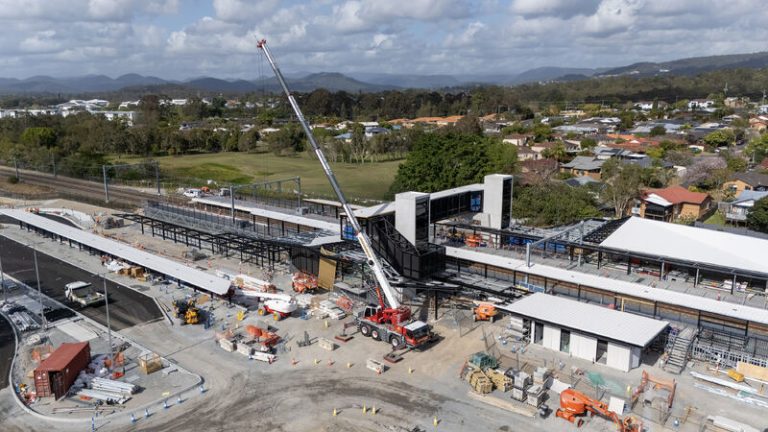
Image source: Cross River Rail Delivery Authority
Luke says economic uncertainty has people questioning what will arrive. The pipeline, he argues, needs a story people can imagine getting involved in.
Queensland’s anchor is the 2032 Games, which he calls “real”. It underpins the Sunshine Coast to Brisbane rail line, Gold Coast Faster Rail upgrades, bus fleet and route upgrades, and the Victoria Park Games precinct. Beyond the Games, the Bruce Highway safety improvement project is one example of broader investment.
Roads will keep their focus, he says, but in a different character: upgrading and adapting existing infrastructure rather than greenfield mega-projects. Congestion is a problem nobody has built their way out of, which keeps the case for mass transit alive. Brisbane Airport forecasts a 40% passenger uplift by 2032, which has driven approval of a A$5 billion masterplan including a new third terminal. Rail is more nuanced: integrating the Cross River Rail Project and a new fleet into an ageing network requires new skills.
Luke sees growing rigour in risk management and site investigations. The trend is to actively manage real risks, rather than bundling unknowns and handing them to the party least equipped to carry them.
He points to a recent project where the client invested heavily in underground investigations along the alignment before going to market. Delta’s commercial team built a contractual mechanism for genuine unknowns found during construction. That mechanism was never triggered, which he calls a success. Early identification of high-risk items and early utility designs let contractors price with certainty.
The bigger challenge, he says, is confidence in decisions: making clear calls on limited information, then having executive backing for those difficult decision points.
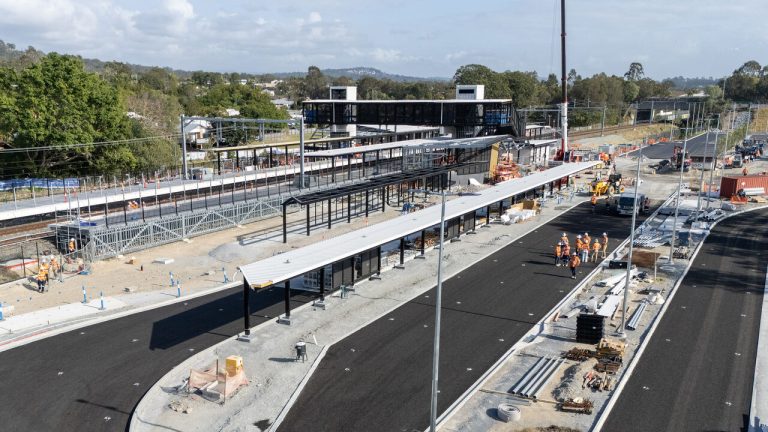
Image source: Cross River Rail Delivery Authority
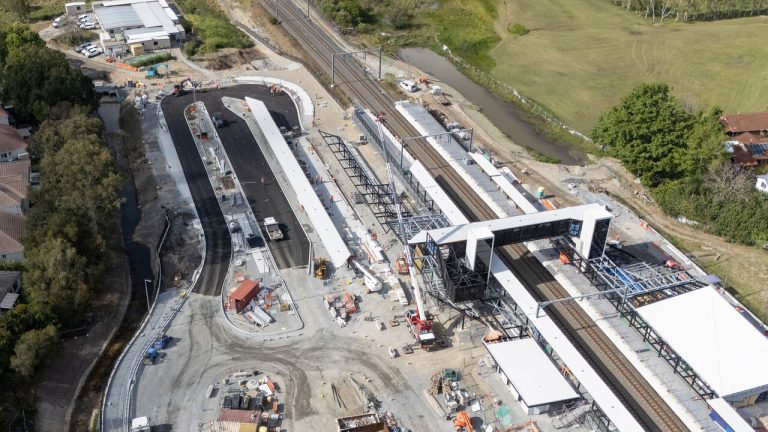
Image source: Cross River Rail Delivery Authority
Luke says transaction and commercial advisers are efficient in procurement because of their depth and breadth of exposure to pre-contract experiences. They have seen procurements run on basic file sharing versus a purpose built data room like Ansarada, and they learn how key pre-contract decisions play out in delivery.
In his view, public awareness of governance failures in professional services has sharpened the focus on transparency. Procurement must be transparent and secure, and during an audit teams must be able to reconstruct who said what, who saw what, and when and why decisions were made.
Projects that meet their objectives start by deciding what matters most: safety, cost, customer experience, quality, or time. No project can optimise all of them, and a clear hierarchy lets clients, consultants and contractors align. The second ingredient is professional trust. Luke sees good models emerging, particularly gain/pain share mechanisms that split savings between client and contractor, but they still rely on people willing to have honest conversations before issues become disputes.
To learn more about Delta Infrastructure Advisory and its work across infrastructure projects in all phases of their lifecycle, contact our team.
Source: Transport Infrastructure Outlook 2027, Ansarada in partnership with Infralogic.